
 English
 Español
 Portugues
 Pусский
 Deutsch
 한국어
한국어 العربية
 Italiano
 Svenska
 Türk dili
 Indonesia
 Melayu
 Tiếng Việt
 қазақ
қазақ বাংলা
বাংলা українська
 norsk
norsk Filipino
 o'zbek

เครื่องกลึงแนวตั้ง
Vertical Lathe: Overview and Applications A vertical lathe, also known as a vertical turning lathe (VTL), is a specialized machine tool designed for machining large, heavy, or asymmetrical workpieces. Unlike conventional horizontal lathes, a vertical lathe positions the workpiece vertically, allowing gravity to assist in securing the part, which enhances stability and precision during machining. Design and Working Principle The primary components of a vertical lathe include a rotating table (chuck), a vertical column, a crossrail, and tool heads. The workpiece is mounted on the horizontal rotary table, which spins around a vertical axis. The cutting tools, mounted on the tool heads, move along the X, Y, and Z axes to perform turning, facing, grooving, boring, and threading operations. Key features of vertical lathes include: - Sturdy Construction: The vertical orientation minimizes deflection, making it ideal for heavy-duty machining. - Large Workpiece Capacity: Suitable for machining large diameters and heavy components like turbine rotors, gears, and flanges. - Precision and Stability: The vertical setup reduces vibration, ensuring high accuracy. - Automation Compatibility: Many modern VTLs integrate CNC controls for automated, high-efficiency operations. Applications Vertical lathes are widely used in industries requiring the machining of large, heavy, or complex parts, including: - Energy Sector: Manufacturing turbine components, generator rotors, and valve bodies. - Aerospace: Producing landing gear parts, engine casings, and structural components. - Heavy Machinery: Machining large gears, bearings, and hydraulic components. - Transportation: Fabricating railway wheels, brake discs, and marine propulsion parts. Advantages Over Horizontal Lathes - Better Workpiece Handling: The vertical setup simplifies loading/unloading of heavy parts. - Improved Chip Evacuation: Chips fall away naturally, reducing interference with machining. - Space Efficiency: Requires less floor space compared to horizontal lathes for similar-sized workpieces. Conclusion Vertical lathes are indispensable in heavy industrial machining, offering superior stability, precision, and efficiency for large-scale components. Their versatility and robust design make them a preferred choice in sectors where conventional horizontal lathes fall short. With advancements in CNC technology, vertical lathes continue to evolve, meeting the demands of modern manufacturing.
สินค้า
การจัดหมวดหมู่:
เครื่องกลึงแนวตั้ง
-
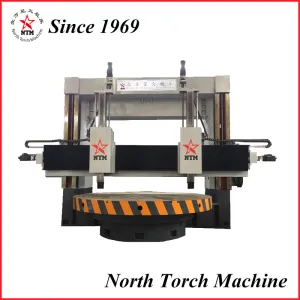
เครื่องกลึงแนวตั้งแบบเสาคู่
การจัดหมวดหมู่: เครื่องกลึงแนวตั้งเข้าชม: 57จำนวน:เวลาเผยแพร่: 2025-11-25 13:21:40เครื่องกลึงแนวตั้งแบบเสาคู่: ภาพรวมที่ครอบคลุม เครื่องกลึงแนวตั้งแบบเสาคู่คือเครื่องมือกลขั้นสูงและอเนกประสงค์ที่ได้รับการออกแบบมาเพื่องานตัดเฉือนงานหนัก มีการใช้กันอย่างแพร่หลายในอุตสาหกรรมต่างๆ เช่น การบินและอวกาศ พลังงาน ยานยนต์ และการผลิตเครื่องจักรกลหนัก เนื่องจากมีความเสถียร ความแม่นยำ และความสามารถในการจัดการชิ้นงานขนาดใหญ่และซับซ้อนเป็นพิเศษ บทความนี้จะสำรวจคุณลักษณะหลัก ข้อดี การใช้งาน และความก้าวหน้าทางเทคโนโลยีของเครื่องกลึงแนวตั้งแบบเสาคู่ ซึ่งให้ความเข้าใจโดยละเอียดเกี่ยวกับความสำคัญในการผลิตสมัยใหม่ 1. ข้อมูลเบื้องต้นเกี่ยวกับเครื่องกลึงแนวตั้งแบบเสาคู่ เครื่องกลึงแนวตั้งแบบเส... -
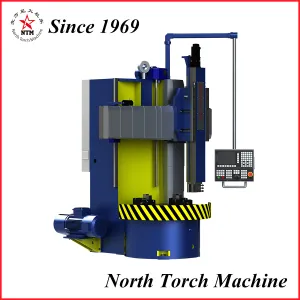
เครื่องกลึงแนวตั้ง
การจัดหมวดหมู่: เครื่องกลึงแนวตั้งเข้าชม: 60จำนวน:เวลาเผยแพร่: 2025-11-26 13:35:41เครื่องกลึงแนวตั้งหรือที่รู้จักกันในชื่อเครื่องเจาะคว้านแนวตั้งหรือ VTL ถือเป็นรากฐานสำคัญของการผลิตในอุตสาหกรรมหนัก ซึ่งออกแบบมาโดยเฉพาะสำหรับการตัดเฉือนชิ้นงานขนาดใหญ่ หนัก และสั้น ซึ่งยากต่อการติดตั้งบนเครื่องกลึงแนวนอนทั่วไป
ข่าว
การจัดหมวดหมู่:
-
[Industry news]เครื่องกลึงหนัก – จะมั่นใจเสถียรภาพระหว่างการทำงานได้อย่างไร...
2025-11-26 09:11:25
กรณี
การจัดหมวดหมู่:
ไม่มีผลการค้นหา!
วีดีโอ
การจัดหมวดหมู่:
ไม่มีผลการค้นหา!
ดาวน์โหลด
การจัดหมวดหมู่:
ไม่มีผลการค้นหา!
รับสมัครงาน
การจัดหมวดหมู่:
ไม่มีผลการค้นหา!
ผลิตภัณฑ์ที่แนะนำ
-
NEWS
เครื่องกลึงแนวตั้งแบบเสาคู่
เรียนรู้เพิ่มเติม



 โทรศัพท์